
The Hidden Costs of DIY Auto Body Repair: What Little Rock Drivers Need to Know
Little Rock, United States - January 27, 2026 / Bale Collision Center (Downtown) /
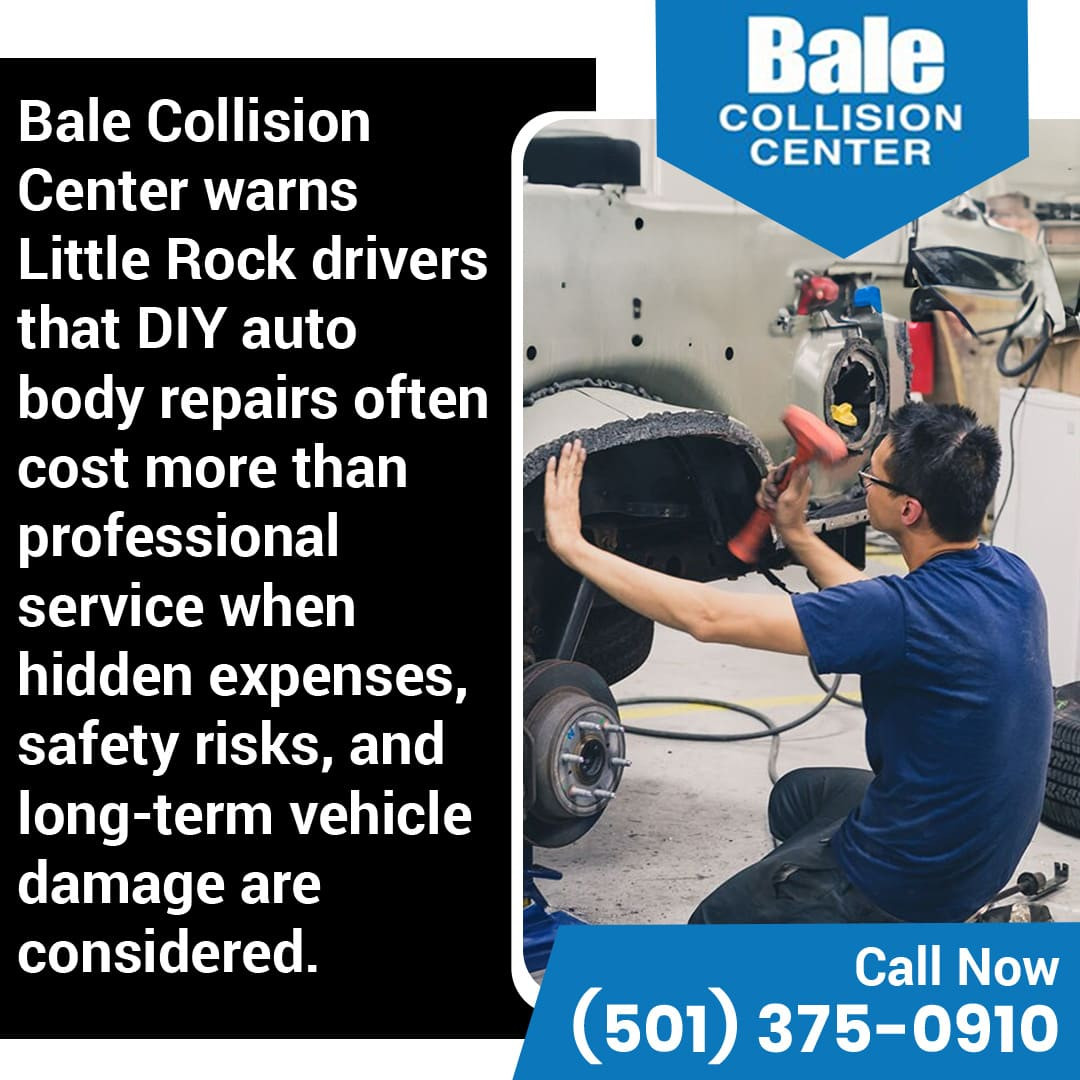
Little Rock, AR – Bale Collision Center (Downtown) in Little Rock is alerting drivers to the costly and often dangerous consequences of do-it-yourself auto body repairs. While online tutorials and low material costs may make DIY repairs appear tempting, the reality is far more complex and risky.
Vehicles today are built with high-strength materials, advanced electronics, and tightly engineered structural components that make car body repair a task requiring precision and specialized training. Amateur attempts to fix collision damage often result in incomplete repairs, mismatched finishes, and even hidden safety hazards.

Common Reasons Drivers Attempt DIY Repairs
Many vehicle owners turn to at-home repairs to save money, avoid scheduling delays, and maintain control over their vehicles. The availability of instructional videos and aftermarket materials can give the illusion that tasks like dent removal and repainting are within reach for an average car owner.
However, these perceived advantages overlook critical details: professional tools, experience, and knowledge. Most DIY repairs begin with small visible issues, like a scratched panel or minor dent, but escalate when complications arise during sanding, filling, or painting.
Real-World Consequences of DIY Auto Body Repairs
The Hidden Time and Financial Costs
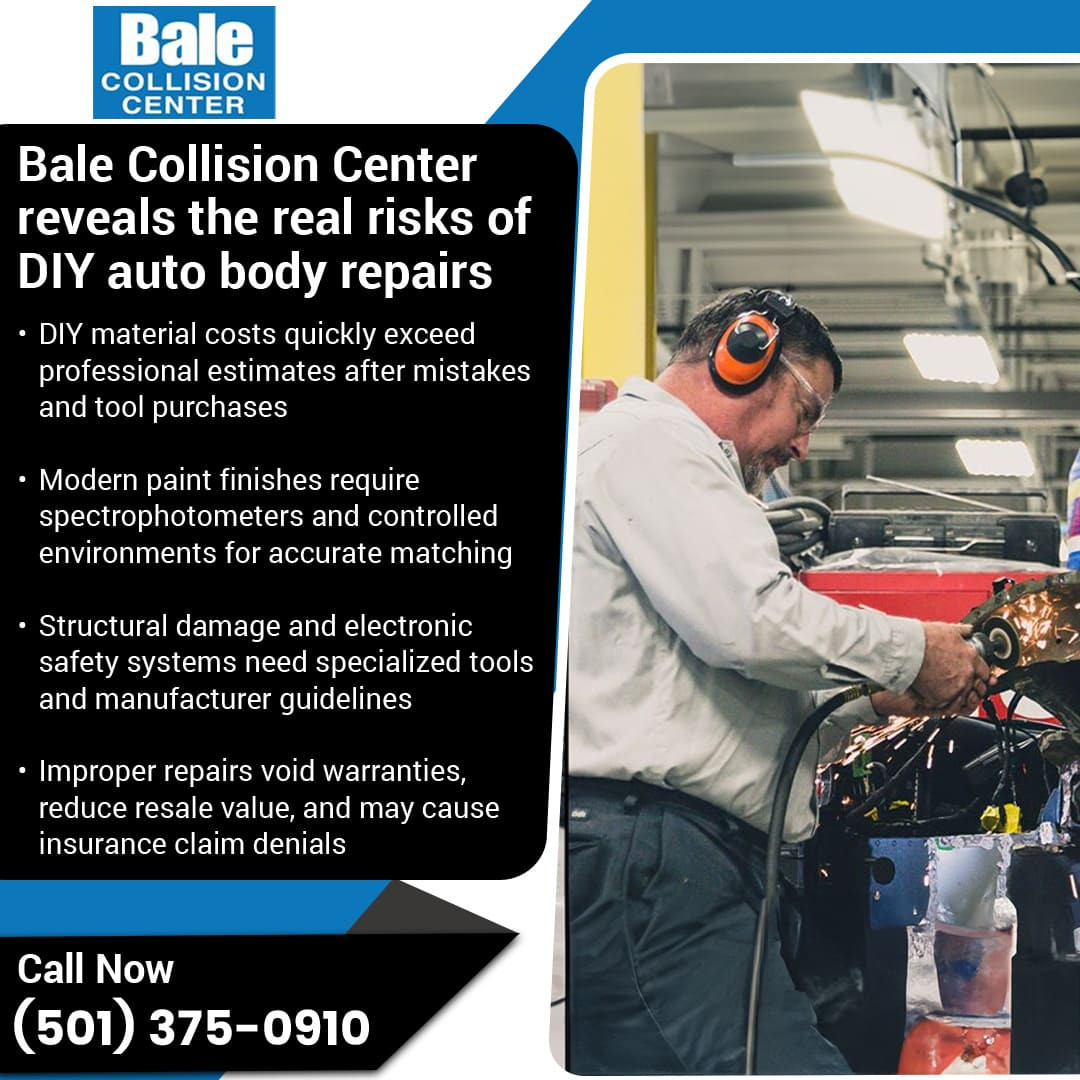
At first glance, the cost of DIY materials appears much lower than a professional auto body shop estimate. However, once you account for tools, repeated material purchases due to mistakes, and the time spent on learning curves, the actual expense can quickly surpass that of a certified repair.
Basic sanding and painting tools may need to be rebought after initial failures. Spray equipment, surface preparation tools, and paint products require specific handling, and without proper environmental controls, even minor contamination can ruin the finish. Most DIY jobs require multiple attempts, adding cost and frustration.
Technical Challenges in Body and Paint Work
Modern vehicles feature advanced finishes that are not easy to replicate. Paint codes offer a starting point, but professional-grade color matching involves precise analysis using spectrophotometers and controlled environments. DIY applications often result in uneven color, texture mismatches, or visible defects that lower the vehicle’s appearance and value.
Surface preparation is another area where inexperience shows. Incorrect sanding techniques or improper filler application can cause panels to flex, crack, or fail under stress. These problems may not be visible immediately, but they reduce the long-term durability of the repair.
Safety Concerns in Structural and Electronic Systems
Structural repairs are among the most critical aspects of post-collision work. What may appear to be minor cosmetic damage often conceals deeper issues such as frame distortion or compromised crumple zones. Without access to computerized measuring systems and manufacturer guidelines, it is difficult to identify and correct these problems.
Vehicles are also increasingly dependent on electronic safety systems such as adaptive cruise control, lane departure warnings, and collision detection. These features require sensor recalibration to work correctly after any bodywork. DIY efforts typically lack the tools and training to restore these functions, which could result in malfunction during daily driving.
Long-Term Impact on Vehicle Value and Records
Vehicles repaired outside of professional facilities may lack documentation that supports future resale or trade-in value. Without formal repair records, buyers and appraisers often assume lower-quality work was performed or that damage was not properly addressed. This assumption can lead to reduced offers or financing complications.
Additionally, improperly performed repairs may void manufacturer warranties and limit insurance support for future claims. Most policies require repairs to meet industry standards, and undocumented or failed DIY attempts can cause claim denials.
When Professional Repair Is the Smarter Choice
For damage involving structural components, electronics, paint matching, or safety systems, professional auto body service provides the confidence of precision tools, trained technicians, and validated procedures. Bale Collision Center in Downtown Little Rock uses advanced equipment such as Car-o-liner frame systems, computerized color matching with BASF waterborne paint, and ADAS calibration technology to address modern car collision repair challenges.
With over seven decades of experience, Bale Collision Center delivers high-quality collision restoration using current methods and tools. The facility works with all major insurance providers and keeps customers updated throughout the repair process.

Get a Professional Evaluation from Bale Collision Center
The promise of savings from DIY auto body repairs often fades under the weight of mistakes, delays, and safety issues. For vehicle owners seeking lasting results and protection for their investment, certified auto body repair in Downtown Little Rock offers a more reliable and professional solution.
To schedule a free repair estimate, call (501) 375‑0910 or email bccdowntown@baleautomotive.com. Let Bale Collision Center restore your vehicle to manufacturer standards using advanced technology and proven techniques.
Contact Information:
Bale Collision Center (Downtown)
100 N Cross Street
Little Rock, AR 72201
United States
Jason Spiller
(501) 375-0910
https://balecollision.com/
Original Source: https://balecollision.com/auto-body-shop/the-hidden-costs-of-diy-auto-body-repair-what-little-rock-drivers-need-to-know/
