Approximately 1 million people in the US are living with Parkinson’s disease, a number expected to rise to 1.2 million by 2030.
(PRUnderground) April 10th, 2026
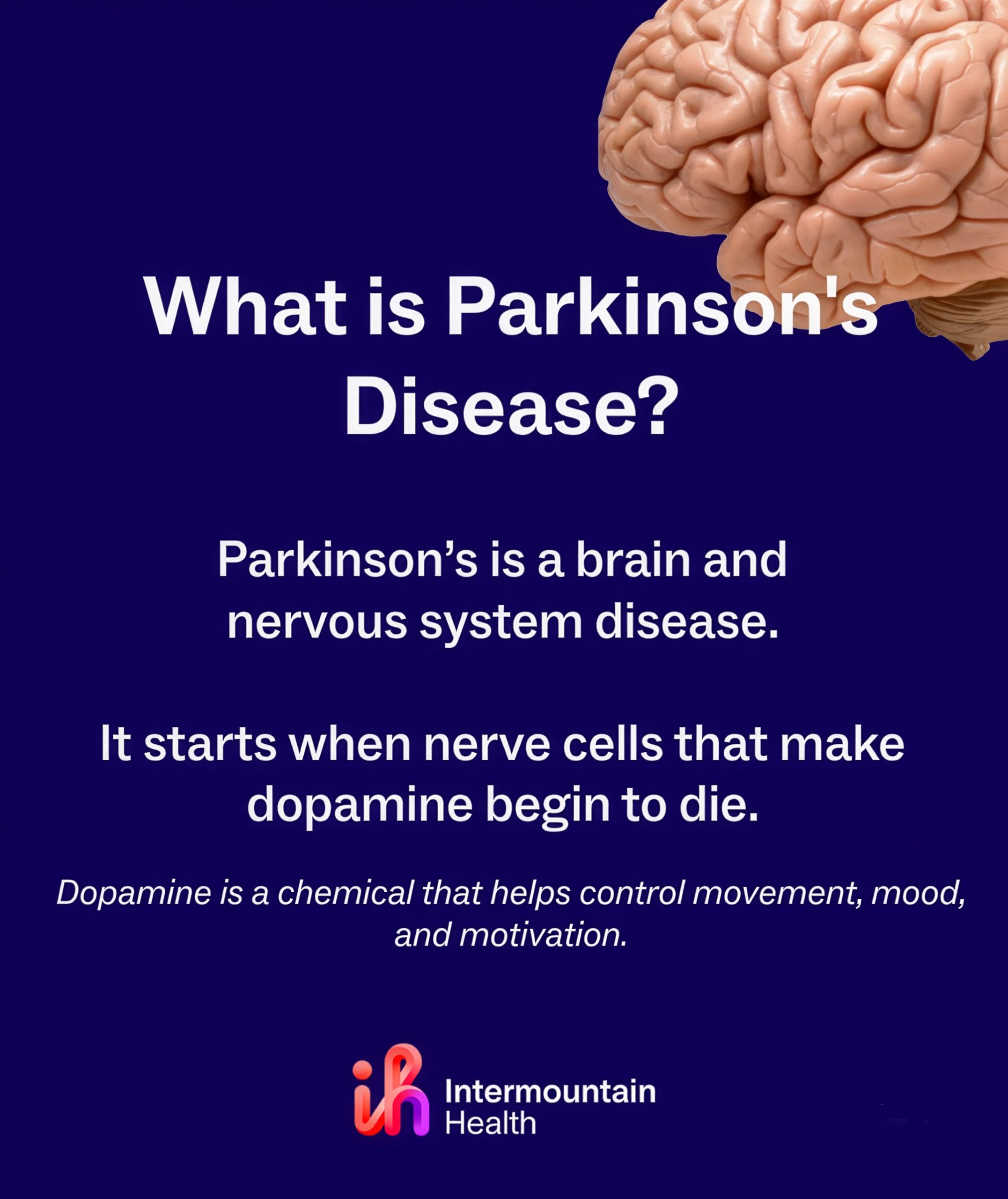
Currently, approximately 1 million people in the US are living with Parkinson’s disease, but that is expected to rise to 1.2 million by 2030. It is the second most common neurodegenerative disorder, primarily affecting individuals over 60, with a higher incidence in men.
April is Parkinson’s Disease Awareness Month.
Parkinson’s is a disease of the central nervous system which begins when certain nerve cells in the brain that produce dopamine begin to die. Dopamine is a chemical that sends messages to the parts of the brain that control movement, mood, and motivation.
As the disease progresses, the amount of dopamine produced in the brain decreases, causing stiffness, slowness, tremor, and difficulty walking along with many “non-motor” symptoms one cannot see such as depression, apathy, constipation, low blood pressure, and urinary trouble.
Parkinson’s is a progressive disease, meaning that symptoms will worsen over time. Currently, there is no cure for Parkinson’s disease. Doctors partner with patients to treat symptoms by prescribing medications that replace dopamine and sometimes by using surgical treatments to stimulate the brain. Both these treatments help patients feel a lot better – but unfortunately, they do not slow down the disease.
“The treatment with the most evidence to slow down the progression of Parkinson’s disease is actually high-intensity aerobic exercise,” said Kathleen McKee, MD, MPH, a neurologist and director of the Movement Disorders Center at Intermountain Health based in the Salt Lake City area.
Neurologists at the Intermountain Movement Disorders Center help patients and their families understand the disease and how it affects the individual. They start by gathering a comprehensive history and then develop a treatment plan that considers the full person – not just one disease. A holistic management plan may include a combination of dopamine-replacement drugs, physical therapy, and a customized exercise plan. Additionally, they examine all aspects of brain health including sleep, nutrition, and mental health to ensure your brain is functioning at its best.
Dr. McKee emphasizes that many patients often feel very despondent when they are diagnosed. “We want them to know that with the right care team and treatment, people with Parkinson’s go on to have decades of high-quality life.”
“This is not a disease that will stop you in your tracks,” Dr. McKee said. “It is something we manage just like we manage most chronic conditions, such as heart disease. Early diagnosis and treatment can help patients not just survive — but thrive.”
To further advance comprehensive care for Parkinson’s, in addition to the existing Movement Disorders Specialty Clinic, Intermountain is starting a new clinic called Parkinson’s Elevated that will provide integrated neurology and primary care. The clinic will provide complete care for all health needs – not just Parkinson’s. The clinic will be located in the Cottonwood Medical Tower and will open later this year for Select Health members.
To find a provider or learn more about Parkinson’s Disease and its treatment, call 801-507-9921.
About Intermountain Health
Headquartered in Utah with locations in six states and additional operations across the western U.S., Intermountain Health is a nonprofit system of 34 hospitals, approximately 400 clinics, medical groups with some 4,600 employed physicians and advanced care providers, a nonprofit health plan called Select Health with more than one million members, and other health services. Helping people live the healthiest lives possible, Intermountain is committed to improving community health and is widely recognized as a leader in transforming healthcare by using evidence-based best practices to consistently deliver high-quality outcomes at sustainable costs. For up-to-date information and announcements, please see the Intermountain Health newsroom at https://news.intermountainhealth.org/. For more information, see intermountainhealth.org/ or call 801-442-2000.
The post Parkinson’s Disease: Intermountain Health Brings Awareness, Hope, and Support to Those Impacted first appeared on
Original Press Release.
