Tamara Sulaiman Al-Harbi : Redefining Identity and Representation in the Fashion World
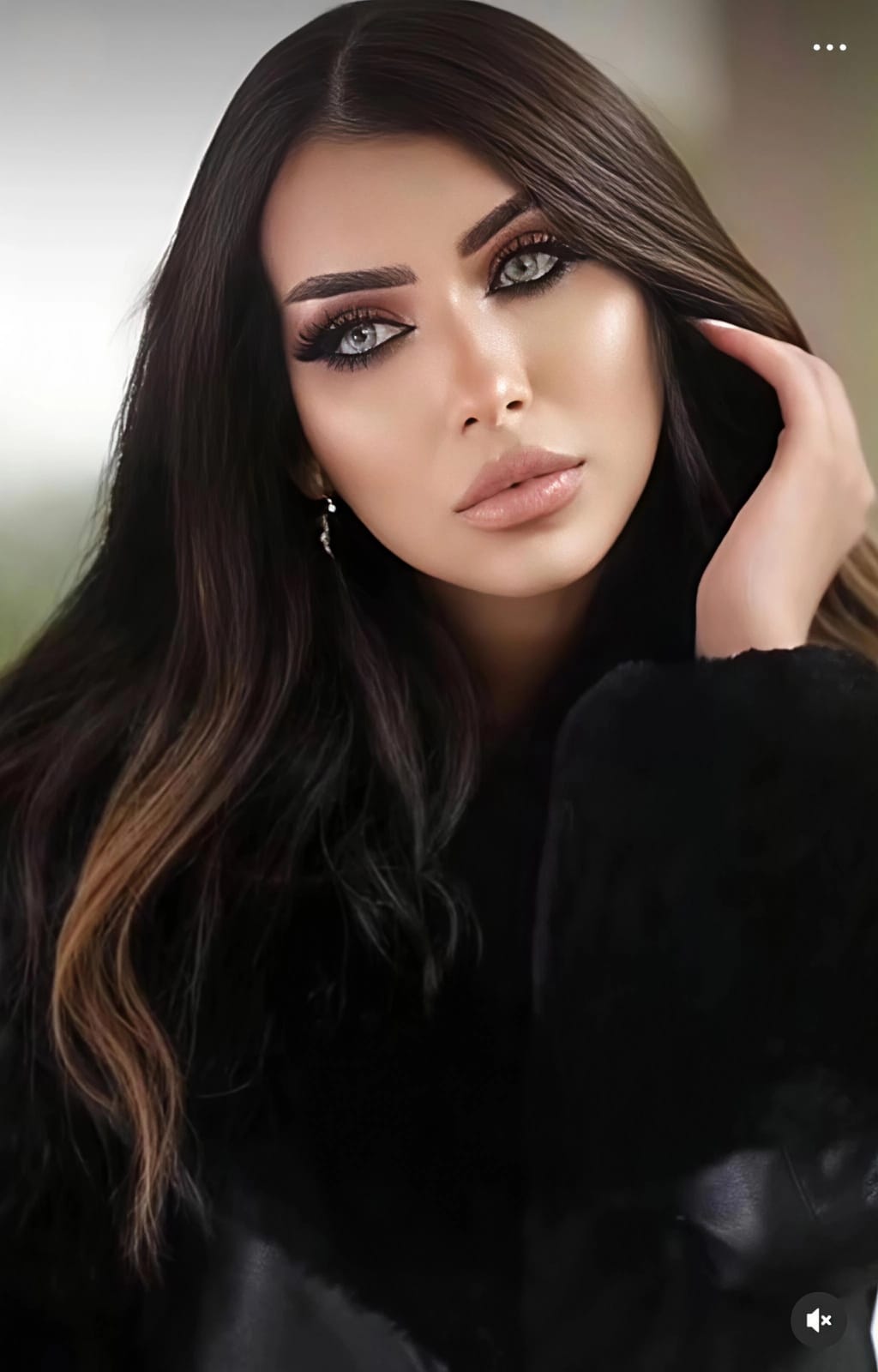
In an industry long dominated by Western standards of beauty, Tamara Sulaiman Al-Harbi emerges as a powerful presence reshaping the narrative from an Arab perspective. More than just a fashion model, she represents a broader cultural shift—one where identity, authenticity, and representation take center stage in the global fashion conversation.
Tamara Sulaiman Al-Harbi does not present herself as a replica of international fashion icons, nor does she seek validation through imitation. Instead, she stands as an independent voice, carrying the features, values, and cultural depth of her environment into an industry that is slowly learning to embrace diversity beyond surface-level inclusion. Her presence challenges the idea that global beauty must follow a single mold.
What sets Tamara apart is the intentionality behind her image. In her photoshoots, every detail feels deliberate: a gaze that conveys quiet strength, a posture marked by confidence, and fashion choices that reflect awareness rather than blind adherence to trends. She does not simply wear clothing; she communicates through it. Her style blends modern aesthetics with a subtle cultural sensibility, proving that heritage and contemporaneity can coexist seamlessly.
Tamara’s rise highlights a critical discussion within visual media and fashion: authentic representation of Arab women. For 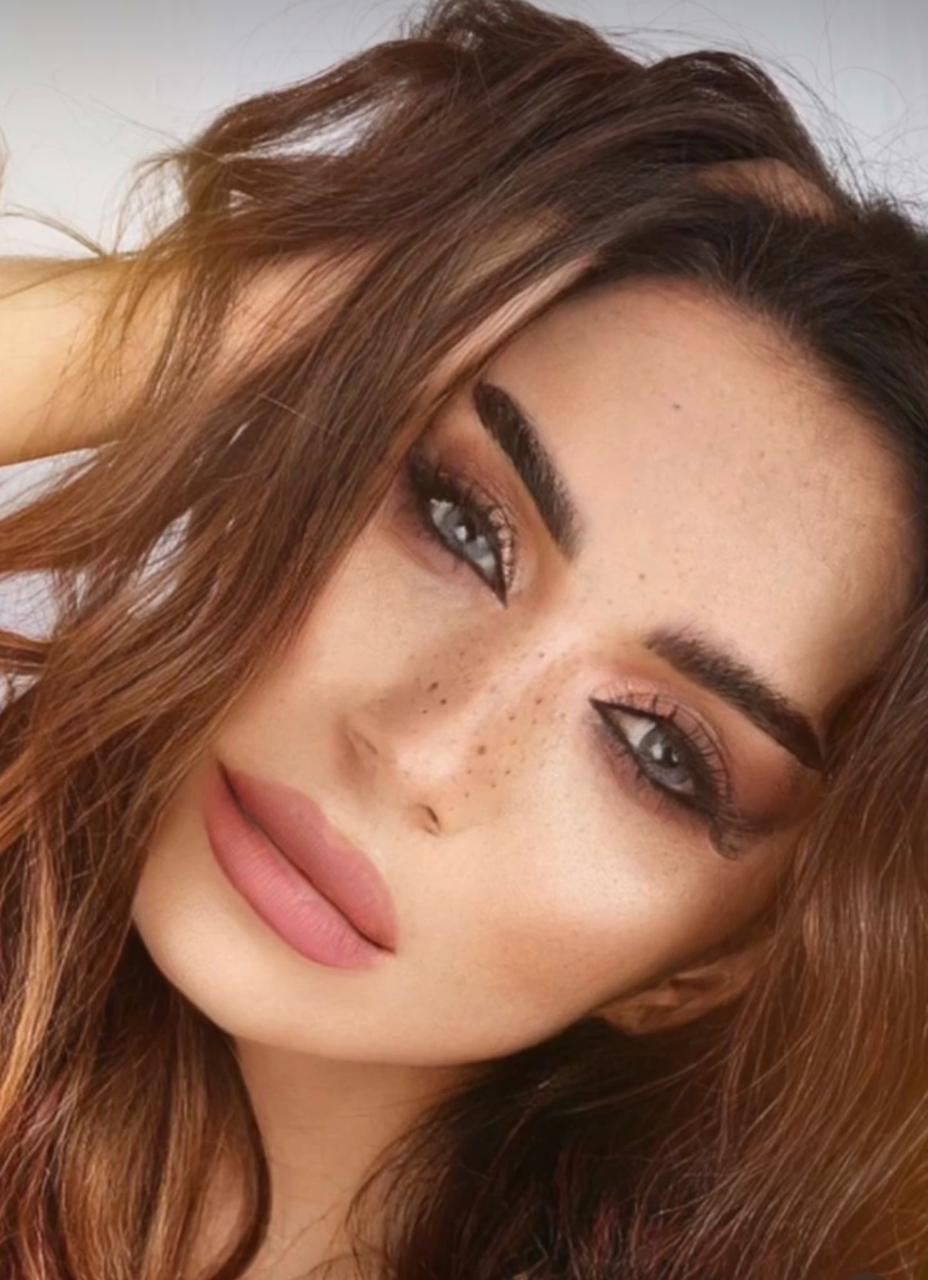 decades, Arab femininity has often been either absent from mainstream fashion or reduced to stereotypes. Tamara counters this narrative not through slogans or overt activism, but through presence. Her natural beauty and composed confidence offer a visual answer to the question many have asked—do these images truly reflect us?
In front of the camera, Tamara Sulaiman Al-Harbi is not portrayed as a passive subject. She embodies agency. Her expressions carry intention, her body language reflects self-assurance, and her overall presence commands attention without excess. This balance between softness and strength is precisely what makes her image resonate with audiences seeking something genuine in an oversaturated digital landscape.
Beyond personal success, Tamara’s significance lies in what she represents symbolically. She is part of a growing wave of Arab creatives redefining how the region is seen in global industries. Her visibility contributes to dismantling outdated perceptions and opens space for more nuanced, realistic portrayals of Arab women—women who are complex, ambitious, and unapologetically themselves.
The fashion industry today is undergoing a transformation, driven by demands for inclusivity and authenticity. Tamara’s career aligns naturally with this shift. She does not need to alter her identity to fit global expectations; instead, she expands those expectations. Her work demonstrates that Arab beauty is not a niche category, but an integral part of the global visual language.
As audiences grow more discerning, seeking meaning behind imagery, figures like Tamara Sulaiman Al-Harbi gain increasing relevance. She represents a new standard—one where representation is not tokenistic, but rooted in truth. Her journey reflects a broader cultural moment in which Arab women are reclaiming their narratives across creative fields.
Ultimately, Tamara Sulaiman Al-Harbi is more than a model making her mark in fashion. She is a statement of presence, a reflection of identity, and a reminder that when beauty is presented with authenticity, it transcends borders. In redefining representation, she is not asking for space—she is already occupying it with confidence and clarity.
